.jpg)
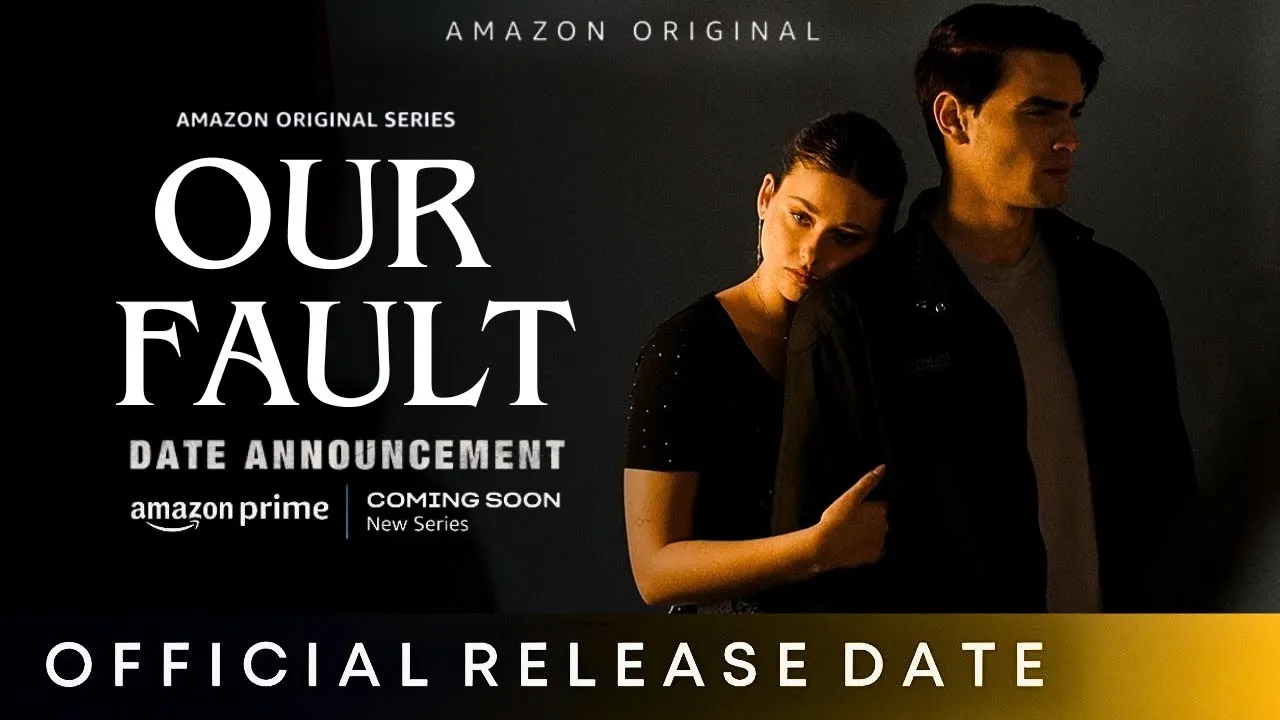
Have you ever watched a film that felt like it was secretly recording your own family’s most private moments? That’s exactly what “Our Fault” delivers—an uncomfortably authentic look at how blame, guilt, and unspoken truths can fracture even the most loving families. This isn’t just another family drama; it’s a mirror that reflects our most complicated relationships back at us with painful clarity.
When “Sorry” Isn’t Enough: The Heart of “Our Fault”
At its core, “Our Fault” explores what happens when simply saying “I’m sorry” can’t repair years of accumulated emotional damage. The film centers around the Morgan family—parents Elaine and David, who divorced a decade ago, and their now-adult children Sophie and Lucas—who find themselves reluctantly reunited after a family emergency.
What makes this film extraordinary isn’t just the premise (we’ve seen estranged families forced together before), but the way it methodically peels back layers of resentment to reveal the complex truth beneath: that blame is rarely one-sided, and healing requires more than just forgiveness—it demands understanding.
“Everyone thinks they’re the hero in their own story,” Sophie says in one of the film’s most powerful scenes. “But what if we’re all just scared people making mistakes we don’t know how to fix?”
Multiple Perspectives That Challenge Our Assumptions
One of the most brilliant aspects of “Our Fault” is its narrative structure. Director Alicia Chen doesn’t just tell us a linear story—she shows us the same pivotal family moments through different characters’ eyes, forcing us to reconsider our judgments with each new perspective.
When we first see the family’s breaking point through Sophie’s teenage memories, we’re convinced her father’s selfishness destroyed everything. Then we experience the same events through David’s perspective, revealing a man drowning in depression he couldn’t name, let alone treat. Next comes Elaine’s view, showing a mother trying desperately to hold everything together while suppressing her own needs.
By the time we see Lucas’s perspective—the youngest child who blamed himself for not being “enough” to keep his parents together—we understand there was never a single villain or victim in this story.
The Dialogue That Feels Too Real
If you’ve ever sat through an uncomfortable family dinner where the real conversation happens in what’s not being said, you’ll recognize the masterful dialogue in “Our Fault.” The screenwriters deserve special recognition for creating exchanges that feel lifted directly from real-life family therapy sessions:
- The default to old communication patterns (“You always…” and “You never…”)
- The protective deflections when vulnerability feels too dangerous
- The breakthrough moments when someone finally says the truth they’ve been holding back for years
As family therapist Dr. Marian Rodriguez notes, “The film captures something I see daily in my practice—how families develop their own languages of hurt, and how healing begins when they learn to translate those hurts into genuine understanding.”
Generational Patterns and Breaking the Cycle
What elevates “Our Fault” beyond typical family drama is its exploration of how trauma passes through generations. A particularly poignant subplot involves Elaine confronting how her own mother’s emotional unavailability shaped her parenting, while simultaneously recognizing the same patterns emerging in Sophie’s approach to relationships.

The film doesn’t just present these cycles as inevitable. Instead, it offers hope through characters who—with tremendous effort and pain—begin dismantling harmful patterns they inherited. As Lucas tells his sister in the film’s third act: “We can be angry about what we learned, or we can be brave enough to teach ourselves something better.”
Why “Our Fault” Resonates So Deeply
The genius of this film lies in its refusal to provide easy answers. Unlike many family dramas that rush toward tearful reconciliations, “Our Fault” acknowledges that healing is messy, non-linear, and sometimes incomplete.
What makes audiences connect so deeply with the story is how it validates complicated feelings about family:
- The possibility of loving someone deeply while also being hurt by them
- The realization that parents are flawed humans with their own unresolved traumas
- The liberating understanding that acknowledging fault doesn’t have to be all-or-nothing
The Technical Brilliance Behind the Emotional Impact
Beyond its thematic depth, “Our Fault” delivers technical mastery that serves its emotional storytelling. The cinematography uses distinct color palettes for different time periods and perspectives—cool blues for the past, warmer tones as healing begins. The score remains minimal, appearing only in moments where words fail the characters.
Most impressively, the editing creates a rhythm that mimics family therapy itself—allowing uncomfortable silences to stretch, cutting quickly during heated exchanges, and lingering on faces as revelations sink in.
Lessons We Can All Take From “Our Fault”
While not everyone has experienced family trauma identical to what’s portrayed in the film, “Our Fault” offers insights applicable to all relationships:
- Listen to understand, not to respond - Notice how breakthrough moments in the film happen when characters truly hear each other rather than preparing their defense
- Question your certainty - The film repeatedly shows how memory and perspective can convince us we know the “truth” when we only have pieces of it
- Look for patterns - Pay attention to how characters begin healing once they recognize behavioral cycles
- Healing happens in community - The film beautifully illustrates how reconciliation requires everyone’s participation, not just one person’s forgiveness
The Cultural Conversation “Our Fault” Ignites
Since its release, “Our Fault” has sparked important discussions about family dynamics, mental health, and the complexity of blame. Support groups report increased attendance, therapists are using scenes as discussion prompts, and families are attending screenings together—sometimes leading to their own difficult but necessary conversations.
The film arrives at a cultural moment when many adults are reassessing their relationships with parents and reconsidering how they want to parent their own children. Its nuanced approach offers a vocabulary for discussions that might otherwise remain superficial or accusatory.
Finding Your Own Healing Through “Our Fault”
If you’re considering watching “Our Fault”—especially with family members—prepare for more than entertainment. This film functions almost as a catalyst for your own emotional processing. Some viewers report needing to pause the film to collect themselves; others describe watching certain scenes multiple times to fully absorb their meaning.
For those working through their own family complexities, the film might be best viewed with appropriate support. As one viewer wrote in a viral social media post: “I went expecting a movie and ended up having the conversation with my mother I’ve been avoiding for twenty years.”
Final Thoughts: Why This Film Matters
“Our Fault” isn’t just a film about one fictional family’s journey. It’s a compassionate invitation to all of us to examine how blame functions in our lives and relationships. Its greatest accomplishment is showing that acknowledging fault—both what we’ve experienced and what we’ve caused—isn’t an endpoint but the beginning of authentic connection.
As the film’s closing line reminds us: “Maybe the bravest thing we can do is stop asking whose fault it is, and start asking how we heal together.”
If you take one thing from both this remarkable film and the conversations it generates, let it be this: Understanding each other’s stories doesn’t erase the pain of the past, but it does create the possibility of writing a different future.
Have you watched “Our Fault”? How did it reflect your own family experiences? Share your thoughts in the comments below.